Ground to Crown

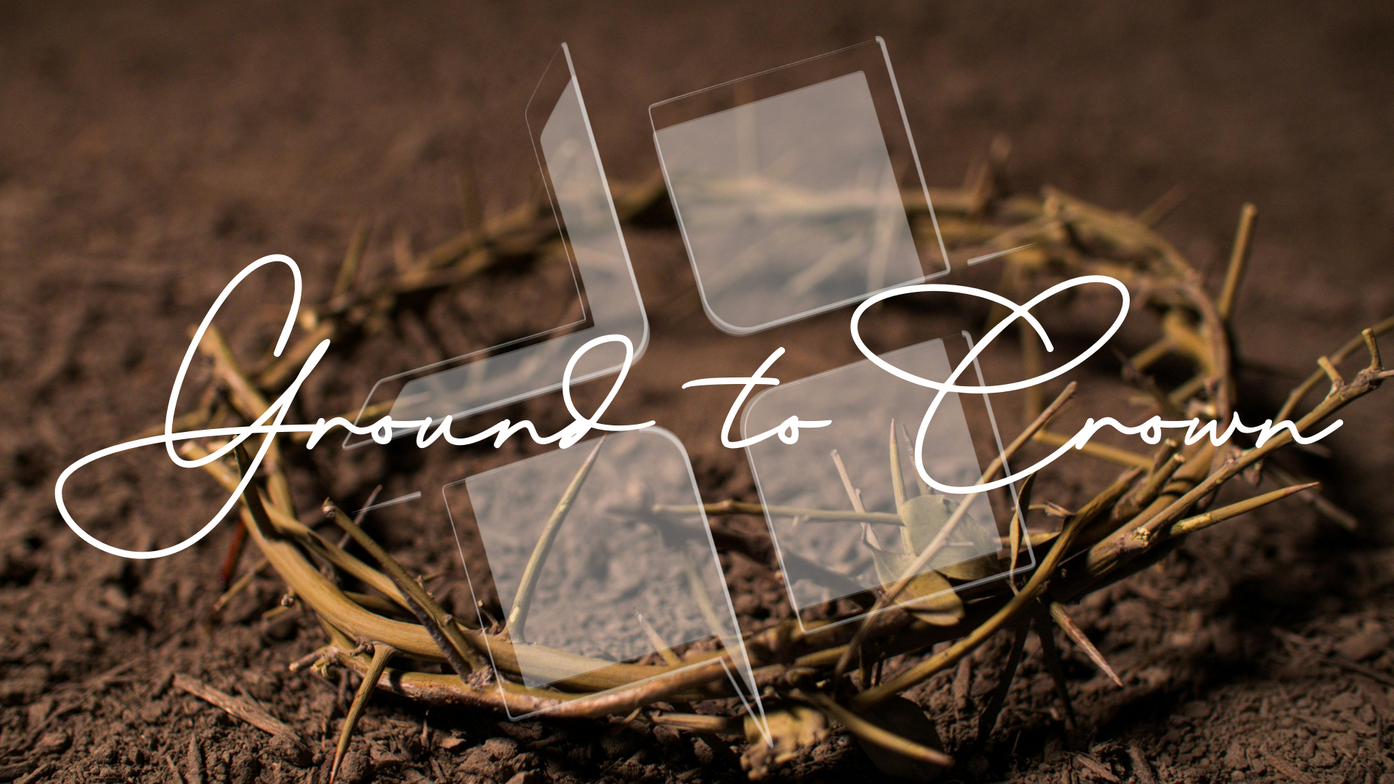
Scripture Focus: “Then the soldiers twisted together a crown of thorns and put it on
His head.” — John 19:2
Greek Insight
Stephanos (στέφανος) — Crown, wreath, or victor’s crown.
In the ancient world, a stephanos was placed on the head of someone who had won a
victory — athletes, conquerors, or honored rulers. The soldiers intended humiliation.
But John records the moment with deep irony. The One they mock is actually the true
victorious King.
Reflection
Thorns don’t belong in a garden.
In Genesis, the earth produced fruit, beauty, and abundance. But after sin entered the
world, God told Adam that the ground would now produce “thorns and
thistles” (Genesis 3:18).
Thorns became a symbol of the curse — the visible reminder that rebellion had
fractured creation. Now fast forward to John 19. Roman soldiers twist those same
thorns together and press them into the head of Jesus. They meant it as mockery.
But God had a plan.
The curse that once grew from the ground was now resting on the Savior. Jesus wasn’t
just being humiliated. He was absorbing the consequence of sin itself.
The apostle John later writes something remarkable: “If anyone sins, we have an
Advocate (paraklētos) with the Father—Jesus Christ the righteous one.” (1 John 2:1)
Greek Insight
Paraklētos (παράκλητος) — Advocate, helper, defender.
It literally means one who comes alongside to speak on someone’s behalf.
The One who wore the thorns now stands before the Father defending those who trust
Him. That means something powerful for believers.
Even when we fail…
Even when we compromise under pressure…
Even when we realize we crowned something other than Christ…
Jesus does not abandon us. He calls us to repentance and restoration. Praise
Jesus!!
The crown of thorns reminds us of two truths at the same time:
Sin is deadly.
Grace is stronger.
The curse that once ruled us no longer reigns over us. Because the King has already
worn it.